Coming back down into the body —
again and again.
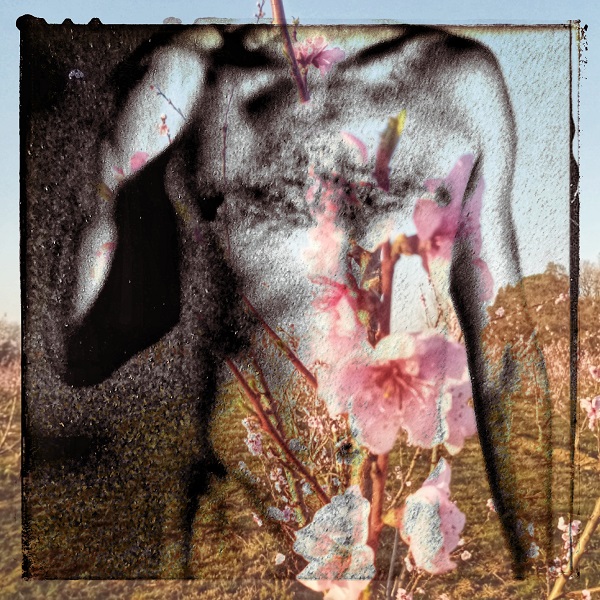
Coming back down into the body, away from the mind that invades, occupies, organises. Contacting that state of being oneself, without projection, in welcome.
There are so many birds that sing.
Tata Yoyo, sang Mecavolic not so long ago. Picking up an old hit by Annie Cordy, a French singer from the 1960s. And this line in the song: « … in my head, there are loads of birds. »
They sing, they scatter, they can even become a true symphony. And what strikes me these last few days is this capacity we have to climb back up the steps. To plunge into listening to this music with delight.
Like an outlet, a pause — as if, for a few moments, we climbed back up there, into this sound-filled control tower of our person. A tower slightly detached from things, housing the reassuring floors of thought, and contacting the cold, analytical part of who we are. Simply rational. Where we think with the head and not the body. Where, in the end, everything is sometimes fairly simple because we can dissect, connect, understand, sort. Jostling for space within a system of thoughts that sometimes, often, serves as a palliative to this world of the body. That very world of emotions, of sensations.
A perpetual yo-yo movement, climbing up, sometimes coming back down, only to find the water too cold, the embers too hot, and climbing back up again.
Up there.
And up there, it is so much more airy, one sees far and can also lose oneself, in a whirlwind that never leaves one in peace, that makes us recompose the world, our world, that sequences it. We can tidy, label, sort, rest while listening to these birds singing as if in a slightly mad parade. Occupying space and time. A good book, a mental exercise and the trick is done — intellectual pleasure, once again so restful compared to what emanates from the body.
Astonishing, this capacity to escape. To escape from oneself, to begin with. Not knowing how to approach emotions, the gaze upon oneself. Not listening to one’s sensations, not knowing what to do with them. Not understanding that a given emotion is first of all precious rather than disturbing. Because it informs, it nourishes, it bears witness to the reality of that connecting thread between self and self.
Sometimes we do not know what to do with it, we become overwhelmed. We then put a small dam in place. Which contains, which stores, which engrams — and we set off again on the path, a little heavier. Until one day, we are like those rivers cut again and again by successive dams, which in the end let only a trickle of water pass. That same trickle at which the birds come to drink. Just as well — we are too heavy to go further anyway, and the only joy that remains is this music that haunts and resonates in our brain.
Memories
Perhaps this is the moment to question this mass of liquid memories carefully contained behind so many battlements, walls, dams within oneself. To reflect on what system one could put in place, could improvise, to create something like a flowing fountain in a small Japanese garden. A bamboo fountain that, drop by drop, in a near silence of birds, would allow memories, engrammed thoughts, questions that loop not up there but in the emotions of the body, to flow very gently away.
We are perpetually there, in a yo-yo game, seeking a balance between sky and earth. Between thoughts and sensations. Between cold intelligence and emotional intelligence. The body is our great mystery. Our great unknown on this earth. It is what cannot be parameterised, what cannot finally be seen. Always through that distanced gaze upon oneself, which passes back up there before coming down again. We perpetually seek the bypass, the socket in which to place our fingers in order to establish direct energetic contact. Not a contact in the violence of voltage, but a contact in gentleness, that allows listening, that authorises sensation, that gives access to what one is. That allows one to understand how our body, beyond the filter of the intellect, feels things, sets out to meet them, tastes its sensations, enjoys life. Knows who it is.
To listen.
Perhaps we should listen to these birds circling up there, not in their dimension of interlude, but rather like Prokofiev’s flute that announces the presence of the wolf. The wolf in this case not being dangerous, but representing what we do not know. And the flute not warning, but drawing our attention to our own ignorance. As if all our dams had been fitted with little bells to draw our attention to the necessity of transforming this ignorance into recognition. The birds as flutes in the shape of bells. And ourselves as open experimentation grounds, fingers in the socket, in contact with this body so mysterious in its approach.
We are perpetually there, questioning through the intellect who we are. We can pass through the box of the divine, of the supposed divine nature of man, of the divine, divinised woman, the better to claim a position on the chessboard of life. But this is only to hang more firmly on the picture rails our projected image rather than our felt body, with its procession of sensations, its own intelligence that indicates to us so many times the path to take when we set off in the exact opposite direction. Or in a random direction blown by a failing intuition. Or worse, when we remain in place feeding on our illusions, because cut off from the body.
To listen, again.
Let us take this time to settle, to listen. To listen to the waves lapping at the base of the cliff, the wind at the tops of the trees, the pebbles rolling along the beds of rivers, the sound of the foam formed by the churning of water as it rushes between two rocks. Let us take the time to feel the movements that originate deep within us, to indicate to us the rhythm, the instrumentation, the steps of this dance of life in which we so refuse to inscribe ourselves. Out of fear, out of ignorance, because so many things seem more important. Because the urgency of the moment lies elsewhere. And by dint of stringing urgencies together, they end up forming a great block of stones on our path that we do not know how to pass.
We have become masters in the construction of these walls, embankments, in the weaving of these veils to mask what we are from view, to extinguish the landscape, to soundproof what surrounds us, to cut ourselves off from the world, from our world, from self and from other. But the music continues to seep from within us. Drop by drop from the bamboo fountain, which in flowing triggers a small clicking sound that alerts us still and always to the necessity of listening. Of listening to ourselves. A message in sonic braille, in morse, that inhabits the space when it is saturated, to call us differently.
In the invitation of the body.
A space to desaturate — not in the noise of the intellect and of movement, but in the invitation of the body. When we set down our arms, when we open the doors, when the breath of life enters and visits our smallest corners, when colour arrives and suddenly we find ourselves surprised by ourselves, surprised by the life that pulses, by the breath that suddenly becomes ample. Eyes that open and sweep the space. Hands and arms that unfold in a gesture of welcome. The body is not an impregnable fortress of the self, it is not simply the vehicle that moves us across the Earth, it is not a machine in service of.
It is a place of life, the seat of our emotions, endowed with all the sensors and probes that life could imagine for feeling, tasting, living. It conceals many volcanoes that await only their awakening, many rivers that seek still and always their bed in which to flow in the most living way possible, many peaks, gorges and passes where the draft wind can come to play. Its landscape is first of all limpid and luminous — and we extinguish it through fear, prudence, obscurantism, an inability to see and to feel. To let go.
We have so many dams to blow open to dance at the summit of mountains, so many walls to bring down to see the ears of wheat play in the wind, so many bridges to build to allow our path to cross what we dare not traverse, so many bonds to untie.
Let us take again and again this time with ourselves to understand what is at play deep within us, to know where to go — in the coloured intelligence of the heart, and not the cold intelligence of the control towers.
Eternity.
We know how to climb up, we know less how to come back down into the body. So let us allow ourselves a few moments for an eternity to live.
So very, very far from Tata Yoyo and her noisy birds.